
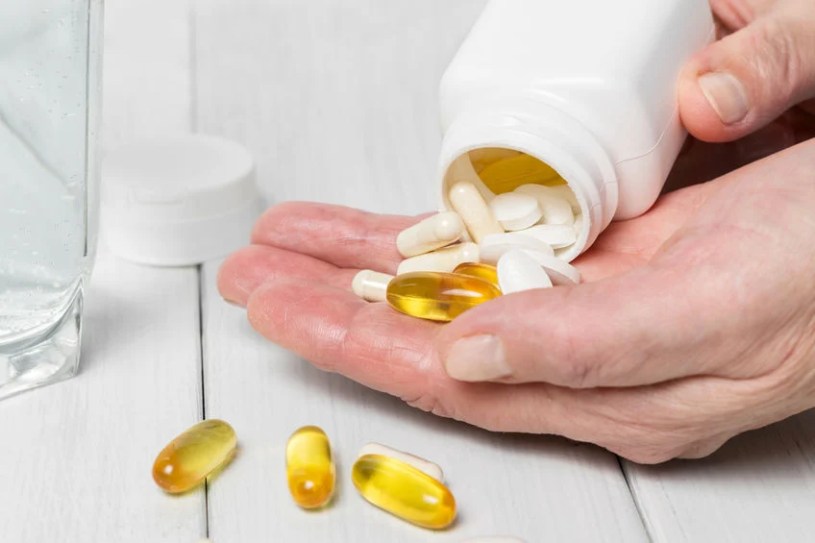
Managing cholesterol is crucial for a healthy heart but doesn’t have to be complicated. One of the simplest ways to keep your cholesterol in check is by adding Omega-3 oils to your diet. These healthy fats are more than just a trend—they’re proven to help lower bad cholesterol and boost the good kind. In this blog, we’ll dive into how Omega-3 oils work, explore the best options available, and share easy tips on incorporating them into your daily meals. Let’s get started on the path to a healthier heart with the power of Omega-3!
Understanding Cholesterol and Its Impact
Cholesterol is a fatty substance found in your blood. It’s essential for building healthy cells, but high levels can increase your risk of heart disease. Cholesterol is carried through your bloodstream by lipoproteins, primarily LDL (low-density lipoprotein) and HDL (high-density lipoprotein).
LDL, often referred to as “bad” cholesterol, can lead to the buildup of plaque in your arteries, narrowing them and increasing the risk of heart attacks and strokes. On the other hand, HDL, or “good” cholesterol, helps remove LDL from your arteries, transporting it to the liver, where it can be broken down and eliminated from the body. Managing cholesterol levels is crucial, and dietary choices, including the use of healthy oils, play a significant role in this process.
What is Omega-3 Oil?
Omega-3 oil is a type of polyunsaturated fat essential for human health. Unlike fats that can contribute to health problems, Omega-3s are known for their anti-inflammatory properties and ability to support heart health. The body cannot produce these fatty acids, which must be obtained through diet. Omega-3s are found in various oils, including fish oil, flaxseed oil, algae oil, and chia seed oil, making these options some of the best healthy oils for managing cholesterol.
How Omega-3 Oil Lowers Cholesterol
Omega-3 oils are powerful allies in the fight against high cholesterol. They work by reducing the levels of triglycerides, a type of fat in your blood that contributes to plaque formation in arteries. Omega-3s also help increase HDL (good) cholesterol while decreasing LDL (bad) cholesterol. This dual action makes Omega-3 oils some of the best cooking oils to reduce cholesterol.
Studies have shown that regular consumption of Omega-3s can lower triglyceride levels by up to 30%, significantly reducing the risk of heart disease. Additionally, Omega-3s have anti-inflammatory effects that prevent the inflammation of blood vessels, which can lead to atherosclerosis (the hardening and narrowing of the arteries). Incorporating Omega-3-rich oils into your diet can be a simple yet effective way to manage cholesterol levels naturally.
Best Omega-3 Oils for Cholesterol Management
When it comes to selecting the best Omega-3 oil for cholesterol management, there are several options to consider:
- Fish Oil: Rich in EPA and DHA, fish oil is one of the most effective Omega-3 sources for reducing triglycerides and improving heart health. It’s widely regarded as the best oil for health, particularly for those with high cholesterol.
- Flaxseed Oil: A great plant-based alternative, flaxseed oil is high in ALA (alpha-linolenic acid), a type of Omega-3 that the body can partially convert to EPA and DHA. Flaxseed oil, like Fortune Xpert Total Balance Oil is a top choice for those seeking low-cholesterol oil options in India.
- Algae Oil: Perfect for vegetarians and vegans, algae oil is another excellent source of DHA. It’s sustainable and provides similar benefits to fish oil, making it a healthy cooking oil for cholesterol.
- Chia Seed Oil: Chia seed oil is packed with ALA and offers a mild, nutty flavour. It’s versatile and can be used in various dishes to boost Omega-3 intake.
Incorporating Omega-3 Oil into Your Diet
Adding Omega-3 oils to your daily meals is easier than you might think. Here are some practical tips on how to do it:
- Fish Oil: If you’re comfortable with its flavour, you can take fish oil supplements or use it as a salad dressing. It’s also effective when added to smoothies or in capsule form for convenience.
- Flaxseed Oil: Flaxseed oil can be used in cold dishes like salads or mixed into yoghurt. Since it has a low smoke point, it’s best not to use it for cooking at high temperatures.
- Algae Oil: Algae oil can be used in cooking or as a supplement. It’s perfect for vegetarians who need a reliable source of DHA.
- Chia Seed Oil: Chia seed oil can be added to smoothies, oatmeal, or salad dressings. Its mild flavour won’t overpower other ingredients, making it a versatile addition to your diet.
Managing cholesterol through diet is essential for maintaining heart health, and Omega-3 oils offer a natural and effective way to do so. By incorporating these oils into your meals, you can enjoy both their health benefits and delicious flavours, making them the best cooking oil to reduce cholesterol and improve overall well-being.
FAQ’s
What is the best essential oil to lower cholesterol?
The best essential oil for lowering cholesterol is flaxseed oil, known for reducing LDL cholesterol levels and improving heart health when used in aromatherapy or topically.
What are the best sources of Omega-3 for managing cholesterol?
The best sources of Omega-3 for managing cholesterol are fish oil, flaxseed oil, algae oil, and chia seeds.
Does omega-3 reduce cholesterol levels?
Yes, Omega-3 reduces cholesterol levels by lowering triglycerides, increasing HDL (good) cholesterol, and decreasing LDL (bad) cholesterol, promoting better heart health and reducing risks.
 Yuummy Food Blog