
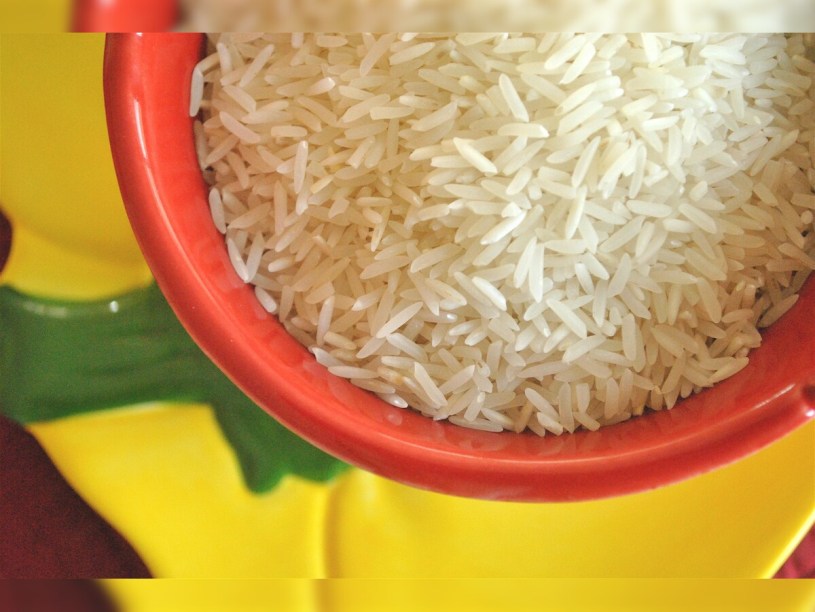
Basmati rice, renowned for its aromatic fragrance and elongated grains, holds a distinguished place in Indian cuisine. It’s not just a culinary ingredient; it’s a symbol of tradition, culture, and the rich heritage of India. Whether it’s the centerpiece of a royal biryani or a humble bowl of steamed rice, basmati rice is cherished in Indian households for its unique flavor and versatility. In this blog, we’ll explore the origins, varieties, nutritional benefits, and cooking methods of basmati rice, delving into why it continues to be a staple in Indian cuisine.
Basmati Rice and Its Significance in Indian Cuisine
Basmati rice is often called the “prince of rice” in Indian cuisine. Its long grains, delicate texture, and aromatic qualities make it ideal for various dishes, from elaborate biryanis to simple pulao. What sets basmati apart from other types of rice is its ability to absorb flavors while retaining its firmness, making it a perfect canvas for the myriad spices and herbs used in Indian cooking.
Indian cuisine is known for its diversity, and basmati rice is a common thread that ties together different regional dishes. From the northern states, where it is the base for rich gravies, to the southern regions, where it accompanies spicy curries, basmati rice is an integral part of Indian meals. Brands like Kohinoor have elevated the status of basmati rice by offering premium varieties like extra-long grain rice and royale authentic basmati rice, catering to traditional and modern culinary needs.
Brief History and Origin of Basmati Rice
The history of basmati rice dates back thousands of years, with its origins rooted in the foothills of the Himalayas. The word “basmati” is derived from the Sanskrit word “vasmati,” meaning “fragrant.” For centuries, basmati rice has been cultivated in the fertile plains of India and Pakistan, particularly in Punjab, Haryana, and Uttar Pradesh. The unique climate and soil conditions in these areas contribute to basmati rice’s distinctive aroma and flavor.
Traditionally, basmati rice was reserved for royalty and special occasions. It was often presented as a gift and used in feasts to honor guests. Over time, basmati rice became more accessible and is now a beloved staple in Indian households, enjoyed by people of all backgrounds. The authenticity of basmati rice has been preserved by brands like Kohinoor, which continue to offer traditional and authentic varieties like Charminar rice and royale basmati rice, ensuring that this heritage grain remains a part of modern Indian cuisine.
Differences Between Basmati Rice and Other Types of Rice
While numerous varieties of rice are available worldwide, basmati rice stands out for its unique characteristics. Unlike other rice types like jasmine or short-grain rice, basmati rice has extra-long grains that remain separate and fluffy after cooking. This is due to its lower starch content, which prevents it from becoming sticky.
The aroma of basmati rice is another distinguishing factor.
Types of Basmati Rice
Basmati rice comes in various types, each with its unique qualities. Here are some of the most popular varieties:
- Traditional Basmati Rice: This is the most commonly used variety, known for its long grains and aromatic flavor. It’s ideal for everyday cooking and pairs well with various Indian dishes.
- Extra Long Grain Basmati Rice: As the name suggests, this variety features even longer grains that elongate further during cooking. It’s perfect for dishes like biryani, where the presentation is as important as the flavor.
- Brown Basmati Rice: This is the whole grain version of basmati rice, retaining its outer bran layer. It’s higher in fiber and nutrients than white basmati rice, making it a healthier choice for those looking to increase their intake of whole grains.
- Organic Basmati Rice: Grown without synthetic pesticides or fertilizers, organic basmati rice is preferred by those looking for a more natural option.
Kohinoor offers a range of basmati rice varieties, including the premium royale authentic basmati rice and Charminar rice, ensuring a perfect option for every dish and every occasion.
Nutritional Benefits of Basmati Rice
Basmati rice is not only delicious but also packed with nutritional benefits. Here are some of the essential health benefits:
- Low Glycemic Index: Basmati rice has a low glycemic index, which releases energy slowly, preventing spikes in blood sugar levels. This makes it a good option for people with diabetes and weight management.
- Rich in Fiber: Especially in its brown form, basmati rice is high in fiber, which aids in digestion and helps maintain a healthy digestive system.
- Gluten-Free: Basmati rice is naturally gluten-free, making it suitable for people with celiac disease or gluten intolerance.
- Essential Nutrients: Basmati rice contains essential nutrients like thiamine, niacin, and iron. These vitamins and minerals are crucial for energy production, brain function, and maintaining healthy blood cells.
- Low in Fat: Basmati rice is low in fat and cholesterol, making it a heart-healthy food that can be enjoyed regularly as part of a balanced diet.
Basmati rice is more than just a staple in Indian cuisine; it symbolizes tradition, quality, and health. Whether you’re cooking a simple dish or an elaborate feast, the unique qualities of basmati rice enhance every meal. With various options like extra-long grain and organic basmati rice, brands like Kohinoor continue to honor the legacy of this beloved grain while catering to modern culinary needs. So, the next time you’re in the kitchen, reach for a bag of Kohinoor basmati rice and experience the perfect blend of tradition and flavor in every bite.
 Yuummy Food Blog