
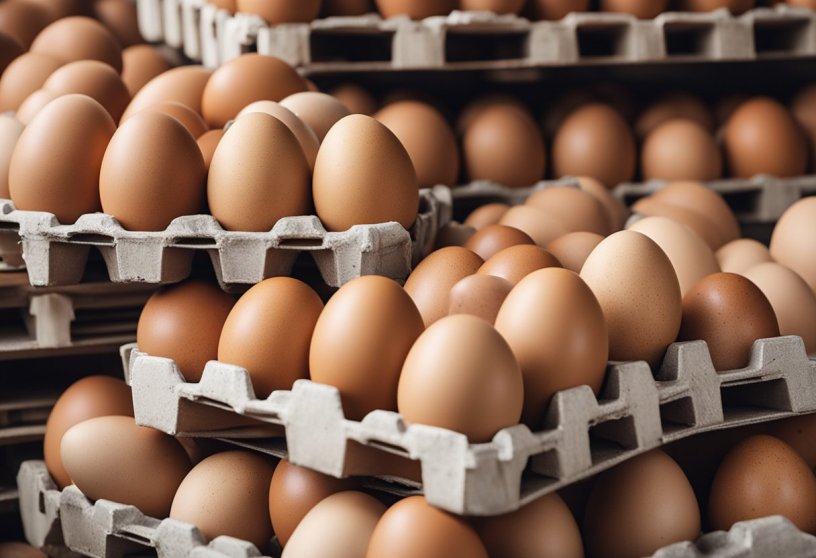
Finding a reliable egg supplier in today’s complex food distribution landscape requires more than simply picking up the telephone and placing an order. Behind every perfectly prepared dish lies an intricate network of producers, distributors, and specialists who understand that not all eggs are created equal—and nowhere is this more evident than in the delicate trade of premium and exotic varieties.
The Foundation of Culinary Excellence
The relationship between chef and supplier represents one of the food industry’s most critical partnerships. Like the craftsmen of old who knew precisely which quarry produced the finest marble, today’s culinary professionals understand that exceptional cuisine begins with exceptional ingredients. This principle holds particularly true when sourcing specialised products that demand specific handling, storage, and transportation protocols.
Professional kitchens operate on razor-thin margins where consistency can make or break a reputation built over decades. A single substandard delivery can cascade through an entire service, affecting everything from food costs to customer satisfaction. The stakes rise exponentially when dealing with delicate proteins that serve as the cornerstone of countless dishes across multiple cuisines.
Understanding the Century Egg Market
The trade in preserved eggs—those mysterious, dark-hued delicacies known variously as thousand-year eggs, pine flower eggs, or century eggs—represents one of the most specialised segments of the protein market. A reputable century egg supplier must navigate not only the complexities of traditional preservation methods but also modern food safety regulations that can vary dramatically between jurisdictions.
These ancient delicacies, created through a process that transforms ordinary duck, chicken, or quail eggs into something altogether different, require suppliers who understand both the cultural significance and the technical demands of proper preservation. The process itself—involving clay, ash, salt, quicklime, and rice hulls—transforms the protein structure over weeks or months, creating the characteristic dark appearance and complex flavour profile that has captivated palates across Asia for centuries.
Industry experts note several key factors when evaluating potential suppliers:
- Consistency in preservation methods and timing
- Proper storage and transportation protocols
- Understanding of cultural authenticity and traditional techniques
- Compliance with local health and safety regulations
- Ability to meet volume and scheduling requirements
The Singapore Success Story
Singapore’s food scene provides a compelling case study in supplier relationships. The island nation’s unique position as both a culinary destination and a logistical hub has created an environment where supplier excellence becomes the norm rather than the exception. Local food industry professionals often speak of the “Singapore standard”—an expectation that suppliers will not merely meet basic requirements but will anticipate needs and provide solutions before problems arise.
“In Singapore, we’ve learned that the relationship with your supplier isn’t just transactional—it’s transformational,” observes one veteran restaurateur who has witnessed the evolution of the city-state’s food industry over three decades. “The best suppliers become partners in your success, understanding not just what you need today, but what you’ll need tomorrow.”
This collaborative approach has proven particularly valuable in the century egg trade, where traditional knowledge must merge with modern distribution systems. Singapore’s suppliers have developed sophisticated cold-chain logistics that preserve the delicate balance of flavours and textures that make century eggs such a prized ingredient.
Quality Assurance and Authenticity
The globalisation of Asian cuisine has created both opportunities and challenges for traditional ingredients. While demand has increased dramatically, so too has the risk of inferior products flooding the market. Authentic century eggs require specific duck breeds, precise timing, and traditional preservation materials that cannot be easily substituted or accelerated without compromising quality.
Professional buyers have developed sophisticated evaluation criteria that go beyond simple visual inspection. The surface texture, the consistency of the yolk transformation, and even the subtle variations in colour patterns tell the story of proper preparation. These nuances separate truly exceptional products from mass-produced alternatives that may look similar but fail to deliver the complex flavour profiles that discriminating customers expect.
Building Sustainable Partnerships
The most successful supplier relationships transcend simple commercial transactions. They evolve into partnerships built on mutual understanding, shared quality standards, and long-term strategic thinking. This proves especially crucial in specialised markets where product knowledge, cultural understanding, and technical expertise combine to create value that extends far beyond the immediate transaction.
Savvy buyers invest time in understanding their suppliers’ operations, capabilities, and constraints. They recognise that a supplier’s success directly impacts their own, creating aligned incentives that benefit both parties. This collaborative approach proves particularly valuable when dealing with seasonal variations, regulatory changes, or market disruptions that can affect availability and pricing.
The Future of Specialised Food Distribution
As global cuisine continues to evolve and consumer sophistication increases, the demand for authentic, high-quality ingredients will only intensify. Suppliers who can demonstrate not only product quality but also cultural authenticity, regulatory compliance, and operational reliability will find themselves well-positioned in an increasingly competitive marketplace.
The intersection of tradition and innovation—exemplified by the modern distribution of ancient delicacies like century eggs—represents the future of specialised food supply chains. Success in this environment requires suppliers who can honour traditional methods while embracing modern logistics, quality assurance, and customer service standards.
In the end, whether you’re sourcing everyday ingredients or seeking a specialised century egg supplier, the fundamental principle remains unchanged: exceptional cuisine demands exceptional partnerships, and those partnerships begin with choosing the right egg supplier.
 Yuummy Food Blog