
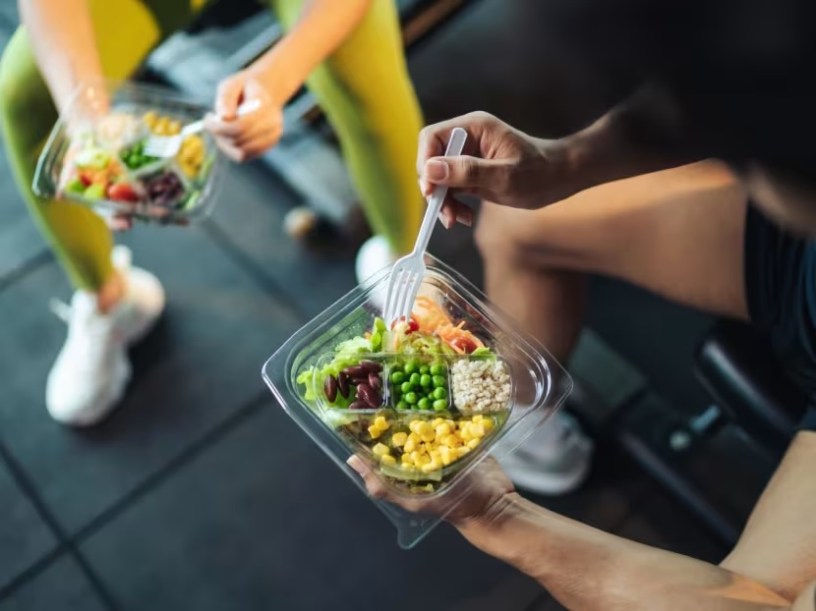
Walking into a gym singapore fitness community has shaped over many years is only half the equation when it comes to achieving meaningful fitness results. The other half happens in the kitchen, at the hawker centre, and in the choices you make at every meal throughout the day. Nutrition and exercise are inseparable partners. Train hard without eating right and your progress will be frustratingly slow. Eat well without training and you miss the stimulus your body needs to change. When both are aligned, results come faster, feel better, and last longer.
Singapore presents a unique nutritional landscape for gym-goers. The abundance of delicious, affordable food at every corner is both a joy and a challenge. Hawker centres, kopitiam stalls, and restaurants offer extraordinary variety, but navigating this landscape in a way that supports your training requires both awareness and practical strategy.
Understanding What Your Body Needs When You Train
The Role of Macronutrients in Fitness
Macronutrients are the three primary categories of nutrients that provide energy: protein, carbohydrates, and fats. Each plays a distinct and non-negotiable role in supporting gym performance and recovery.
Protein is the building block of muscle tissue. When you train at the gym singapore, your muscles experience microscopic damage that the body repairs and rebuilds stronger during recovery. Adequate protein intake is what makes this rebuilding process effective. Most active individuals need between 1.6 and 2.2 grams of protein per kilogram of body weight daily.
Carbohydrates are your body’s primary fuel source for exercise, particularly for moderate to high-intensity training. They are stored in the muscles and liver as glycogen and are what your body draws on during a demanding gym session. Restricting carbohydrates excessively often leads to poor workout performance, premature fatigue, and slow recovery.
Fats support hormone production, joint health, and the absorption of fat-soluble vitamins. Including healthy fat sources in your diet supports long-term athletic function and overall wellbeing. The key is choosing quality sources such as avocado, nuts, olive oil, and oily fish rather than processed trans fats.
Pre-Workout Nutrition in Singapore’s Food Context
What you eat in the hours before your gym session has a direct impact on performance. The goal is to arrive at the gym with adequate energy without feeling overly full or sluggish.
A practical pre-workout meal eaten 60 to 90 minutes before training should contain moderate carbohydrates and a reasonable amount of protein with relatively low fat and fibre to support digestion. In Singapore’s hawker context, some practical options include:
- Chicken rice with brown rice: A complete pre-workout meal with protein from the chicken, carbohydrates from the rice, and minimal heavy fat content.
- Yong tau foo with noodles: A customisable and relatively balanced option when you choose lean protein fillings and control the sauce portions.
- Steamed fish with rice: Light, high in protein, and easily digestible, making it a solid pre-workout choice.
- Wholegrain bread with eggs: A quick and practical home option before a morning gym session that provides sustained energy without heaviness.
Avoid very heavy, oily, or high-fibre meals in the two hours before training as they can cause discomfort during exercise.
Post-Workout Nutrition: The Recovery Window
The period immediately after your gym session is one of the most nutritionally important windows of the day. Your muscles are primed to absorb nutrients, particularly protein for repair and carbohydrates to replenish glycogen stores.
Aim to consume a protein-rich meal or snack within 45 to 60 minutes of completing your session. In Singapore’s food environment, excellent post-workout options include:
- Grilled chicken with rice: A post-workout staple for a reason. High in protein, with adequate carbohydrates and low in unnecessary fat.
- Eggs in any form: Scrambled, hard-boiled, or as a dish, eggs are one of the most bioavailable protein sources available and fit seamlessly into most Singapore meal occasions.
- Tuna or salmon sushi sets: Available at many Singapore hawker centres and food courts, these provide quality protein and healthy omega-3 fats.
- Protein smoothies: For those who prefer a liquid option immediately after training, a smoothie with protein powder, banana, and milk provides a fast and effective recovery combination.
Hydration in Singapore’s Climate
Singapore’s heat and humidity mean that gym-goers here face a greater hydration challenge than their counterparts in cooler climates. You lose significantly more fluid through sweat during a gym session in Singapore’s environment, even with air conditioning, than you might expect.
General hydration guidelines for gym singapore regulars in the local climate:
- Drink 400 to 600ml of water in the two hours before your gym session
- Sip water consistently throughout your workout rather than drinking large amounts at once
- Consume at least 500ml of water in the hour after your session to begin replenishing fluid losses
- Monitor urine colour as a practical hydration indicator — pale yellow indicates good hydration while dark yellow signals a need for more fluids
Electrolytes lost through sweat, particularly sodium and potassium, should be replenished through food rather than sugary sports drinks for most recreational gym-goers.
Navigating Singapore’s Food Culture as a Gym-Goer
Singapore’s food scene is one of the country’s greatest cultural treasures, and the good news is that eating well for fitness does not mean abandoning it. Most hawker dishes can be adapted to support a gym-friendly diet with a few simple adjustments:
- Request less sauce or gravy to reduce sodium and calorie intake without sacrificing flavour
- Choose brown rice over white rice where available for additional fibre and slower carbohydrate release
- Opt for steamed or grilled preparations over fried when given the choice
- Be mindful of portion sizes at supper spots where late-night eating can undermine recovery and sleep quality
- Limit sugary drinks like kopi with condensed milk or teh tarik to once a day and replace additional drinks with plain water or unsweetened options
Supplements: What Is Worth Considering
The Singapore supplement market is large and the claims made by many products are well ahead of the supporting evidence. For most gym singapore regulars, the basics are sufficient:
- Whey or plant-based protein powder: Useful when whole food protein intake falls short, particularly convenient post-workout
- Creatine monohydrate: One of the most thoroughly researched supplements with clear evidence for supporting strength and muscle gains
- Vitamin D: Many Singaporeans, despite living in a sunny country, are deficient due to indoor lifestyles and sunscreen use
- Omega-3 fish oil: Supports joint health, reduces exercise-induced inflammation, and has broad health benefits
For those looking for personalised nutritional guidance alongside their training programme, the coaching team at True Fitness Singapore works with members to align their nutrition approach with their specific fitness goals and the realities of eating well in Singapore’s unique food environment.
Frequently Asked Questions
Can I still eat at hawker centres regularly while training at a gym singapore fitness centre? Absolutely. Singapore’s hawker culture includes many dishes that align well with a gym-supportive diet. The key is making informed choices around protein content, cooking methods, portion sizes, and sauce volumes rather than avoiding hawker food altogether.
Is intermittent fasting compatible with gym training in Singapore? It can be, but it requires careful planning around workout timing. Training in a fully fasted state is generally fine for low to moderate-intensity sessions. For high-intensity or strength-focused gym singapore sessions, having at least a small pre-workout snack tends to produce better performance and recovery outcomes.
How much protein should I be eating as a regular gym-goer in Singapore? A practical target for most active gym-goers is between 1.6 and 2.0 grams of protein per kilogram of body weight daily. For a 70kg individual, this means approximately 112 to 140 grams of protein spread across meals throughout the day.
Are protein shakes necessary if I already eat enough protein from food? No. Protein shakes are a convenient supplement, not a necessity. If your regular diet provides adequate protein from whole food sources such as meat, fish, eggs, legumes, and dairy, additional protein powder offers little additional benefit.
What should I avoid eating on the night before an intense gym session? Avoid large, very fatty meals late at night as these slow digestion and can leave you feeling heavy the following morning. Very high-fibre foods in large quantities the night before intense training can also cause discomfort during the session. Stick to balanced, moderate meals in the evening before a big training day.
 Yuummy Food Blog