
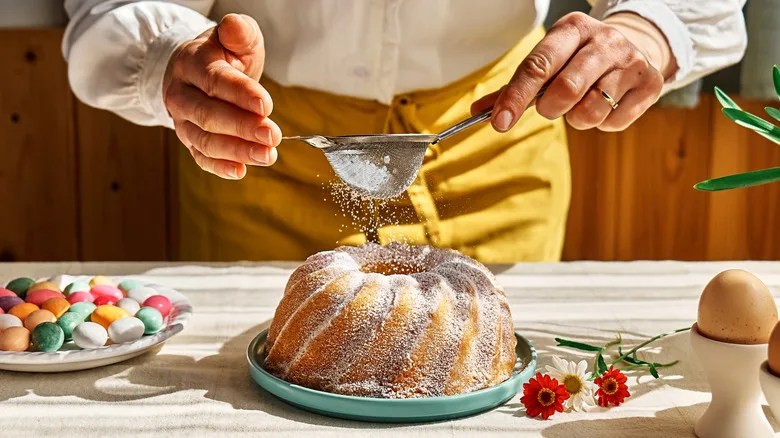
Confectioners sugar Singapore bakeries and pastry kitchens rely upon is not a single product but a family of finely milled sweeteners, each calibrated for a different purpose, and understanding that distinction is the beginning of understanding how Singapore’s food industry actually works. In a city where the standards for finished baked goods are extraordinarily high, the sugar that goes into a fondant or a royal icing is as carefully chosen as any other ingredient on the production floor.
What Confectioners Sugar Actually Is
The term confectioners sugar refers to sucrose that has been ground to a very fine powder, typically far finer than caster or granulated sugar. In many markets it is also called icing sugar or powdered sugar, and the names are used interchangeably. What distinguishes it functionally is its particle size and, in most commercial grades, the addition of a small quantity of anti-caking agent, usually cornstarch or tricalcium phosphate, which prevents the powder from clumping in humid conditions.
Singapore’s climate, with relative humidity regularly exceeding 80 per cent, makes that anti-caking component genuinely important. A confectioners sugar that performs reliably in a temperate European kitchen can behave very differently in a Singapore production facility where the ambient moisture is a constant presence.
The Different Grades Available
Confectioners sugar in Singapore is available in several grades, and professional buyers pay close attention to the distinctions.
- 4X grade is a coarser powdered sugar, used where a slight texture is acceptable, such as in certain dusting applications or home baking
- 6X grade is the most commonly stocked grade in retail channels and suits most standard icing and frosting applications
- 10X grade is the finest commercial grade, producing the smoothest possible finish in fondants, glazes, and decorative work
- Pure icing sugar (without cornstarch) is preferred by some patisseries for applications where starch would affect the final texture or clarity of a glaze
Industrial buyers sourcing Singapore confectioners sugar in bulk will generally specify 10X for high-output confectionery lines, while food service operators tend to work with 6X for everyday kitchen needs.
How It Is Used in Singapore’s Food Industry
John McPhee once wrote of salt that it was present in virtually every serious kitchen act, and the same could be said of icing sugar Singapore suppliers provide to the trade. Its applications are remarkably varied.
In the bakery sector, confectioners sugar is essential for:
- Buttercreams and Swiss meringue buttercreams used in cake decorating
- Royal icing for cookies, celebration cakes, and intricate piped work
- Fondant coverings for wedding and special occasion cakes
- Glazes applied to doughnuts, danishes, and pastries
- Dusting finished products such as churros, waffles, and beignets
Beyond the bakery, the food manufacturing sector uses powdered sugar in Singapore for confectionery coatings, compound chocolate work, marshmallow production, and the manufacture of certain sauce and seasoning blends where rapid dissolving matters more than crystalline texture.
The beverage industry also draws on superfine sugar grades for cold-mix applications, where granulated sugar would not dissolve without heat.
Sourcing and Supply Chains
Confectioners sugar suppliers in Singapore operate within a well-established import framework. Singapore produces no sugar domestically and imports its entire supply, with the majority arriving from regional refining operations. The Singapore Food Agency (SFA) oversees food import licensing, and all sugar products entering the market must comply with the Food Regulations under the Sale of Food Act.
Buyers looking for reliable supply should consider the following when evaluating suppliers:
- Whether the supplier holds a current SFA import licence
- The grade consistency and particle size specification across batches
- Cold chain or humidity-controlled warehousing, which is particularly relevant for powdered sugar in Singapore’s climate
- Minimum order quantities and lead times for bulk procurement
- Whether the product carries relevant food safety certifications such as Halal, HACCP, or ISO 22000
Halal certification is not merely a consideration for Muslim-owned businesses. It is a standard procurement requirement for many hotels, hospital kitchens, institutional caterers, and large food manufacturers operating in Singapore’s multicultural market.
Retail Versus Wholesale Channels
Confectioners sugar in Singapore reaches end users through several distinct channels. Retail consumers typically purchase 500-gram or one-kilogram packs through supermarkets, provision shops, and e-commerce platforms including Shopee, Redmart, Lazada, and NTUC Online. These channels stock standard 6X icing sugar from recognised brands and offer home bakers the convenience of small-quantity purchasing.
Professional buyers, including restaurants, hotel pastry kitchens, catering companies, and food manufacturers, source through wholesale distributors who supply 25-kilogram bags or larger bulk formats. These buyers typically operate on regular delivery schedules and negotiate pricing on volume commitments.
Practical Advice for Buyers
For businesses new to procuring bulk confectioners sugar in Singapore, a few practical observations are worth bearing in mind. Request product specifications in writing before placing initial orders, as grade definitions can vary between manufacturers. Store all powdered sugar in sealed, climate-controlled environments and rotate stock regularly to prevent compaction. Where Halal certification is required, verify that the certificate covers the specific product grade you are purchasing, not merely the supplier’s broader product range.
The sugar supply chain in Singapore is mature, well-regulated, and capable of meeting the demands of buyers ranging from small independent bakeries to large-scale food manufacturers. The infrastructure is there; what matters is knowing what grade you need, which certifications apply to your operation, and which supplier can meet your volume and consistency requirements over time. For any business involved in the pastry, confectionery, or food manufacturing sectors, finding the right source of confectioners sugar singapore remains one of the most foundational procurement decisions a kitchen manager or purchasing officer will make.
 Yuummy Food Blog